What Is Kinesthetic Learning?
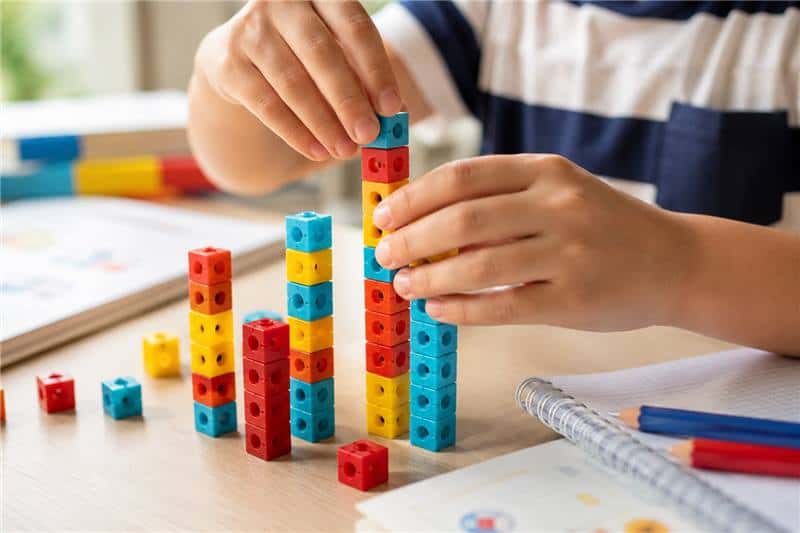
Kinesthetic learning incorporates physical movement and hands-on engagement directly into the learning process, rather than relying solely on listening, reading, or watching. A kinesthetic learner often understands and retains content more effectively when their body is actively involved, whether through acting out a concept, manipulating physical objects, or moving around the classroom as part of a task.
Australian teachers increasingly build kinesthetic learning into lessons because movement-based approaches benefit far more than just students who identify strongly as kinesthetic learners. A well-designed kinesthetic learning lesson plan uses movement purposefully, tying physical activity directly to the learning objective rather than adding movement for its own sake.
Kinesthetic Learning Activities Across Subjects
Kinesthetic learning activities take different forms depending on subject and year level.
In mathematics, students might physically act out a number line or use manipulatives to solve problems rather than working only on paper. In literacy, students could act out scenes from a text to build comprehension of character and plot. In science, hands on learning activities like building models or conducting physical experiments help cement abstract concepts.
Movement based learning doesn't always require elaborate setup.
Simple strategies like having students move to different corners of the room to represent opinions on a topic, or using gesture-based memory aids for vocabulary, can deliver genuine kinesthetic engagement without significant extra resources or preparation time.
Kinesthetic Teaching Strategies That Work
Effective kinesthetic teaching strategies connect movement directly to the content being learned, rather than using physical activity purely as a break from sitting still. The strongest kinesthetic activities for classroom use ask students to physically represent, manipulate, or demonstrate a concept, reinforcing understanding through the action itself.
Classroom management matters significantly when planning kinesthetic activities,
since movement-based tasks can become chaotic without clear structure and expectations. Teachers who build in clear instructions, defined space, and a clear signal to return to focus tend to get the most learning value from kinesthetic activities, rather than just managing noise and disruption.
Building Kinesthetic Lessons With Make My Lesson
Plan Without the Overhead
Select Details and Generate
Customise for Your Classroom
Why Teachers Trust Make My Lesson for Kinesthetic Learning
Make My Lesson was developed with input from Australian teachers who understand how to make movement-based activities both engaging and manageable in a real classroom. The platform's kinesthetic teaching strategies reflect proven classroom practice, not generic movement games disconnected from genuine learning outcomes.
Teachers across Australian primary and secondary schools already use Make My Lesson to plan kinesthetic lessons across multiple subjects. The platform runs on secure, education-focused AI technology built specifically for the schooling sector, with curriculum mapping reviewed regularly against current Australian Curriculum standards. This keeps every kinesthetic learning lesson plan accurate and genuinely classroom-ready.
Common questions
Before you get started...
Clear answers to the practical questions teachers usually ask about this approach.
What is kinesthetic learning in education?
Kinesthetic learning incorporates physical movement and hands-on engagement into lessons, helping students, particularly kinesthetic learners, understand and retain content more effectively.
Who benefits most from kinesthetic learning activities?
While kinesthetic learners benefit most directly, movement based learning activities tend to improve engagement and retention for most students, not just those with a strong kinesthetic preference.
Does Make My Lesson support kinesthetic learning lesson plans?
Yes. Make My Lesson generates curriculum-aligned kinesthetic learning lesson plans, including movement-based activities, space requirements, and classroom management tips.
What are simple kinesthetic activities for the classroom?
Acting out scenes, using physical manipulatives, and moving to different areas of the room to represent ideas are practical, low-resource kinesthetic learning activities.
How can teachers manage movement-based activities effectively?
Clear instructions, defined classroom space, and a consistent signal to refocus help teachers run kinesthetic activities productively without losing classroom management.
Start Building Kinesthetic Lessons Today
Kinesthetic learning lesson plans don't need to feel like a classroom management risk. Try Make My Lesson and generate your first movement-based activity, complete with space requirements and management tips, in minutes. Sign up free and see how kinesthetic learning can boost engagement in your classroom this term.